
Respite
Supportive care and supervision for eligible individuals under 21 when a primary caregiver needs a brief planned or emergency break.
Playful, reliable, person-centered care for brighter routines, stronger independence, and meaningful community connection.
Questions? Call our office at (954) 243-4620


Services are shaped around each person’s authorized support plan, preferences, strengths, and goals.
Supportive care and supervision for eligible individuals under 21 when a primary caregiver needs a brief planned or emergency break.
Non-medical companion support, socialization, and community-based activities connected to an adult’s goals and support plan.
Assistance and training with daily living, non-medical care, supervision, meal preparation, home routines, and community access.
Listen first
We learn the person, not just the paperwork.
Grow together
Small wins become lasting confidence.
Keep it joyful
Support can be safe, structured, and fun.
We focus on practical routines, confidence, connection, safety, and choice in the home and community.
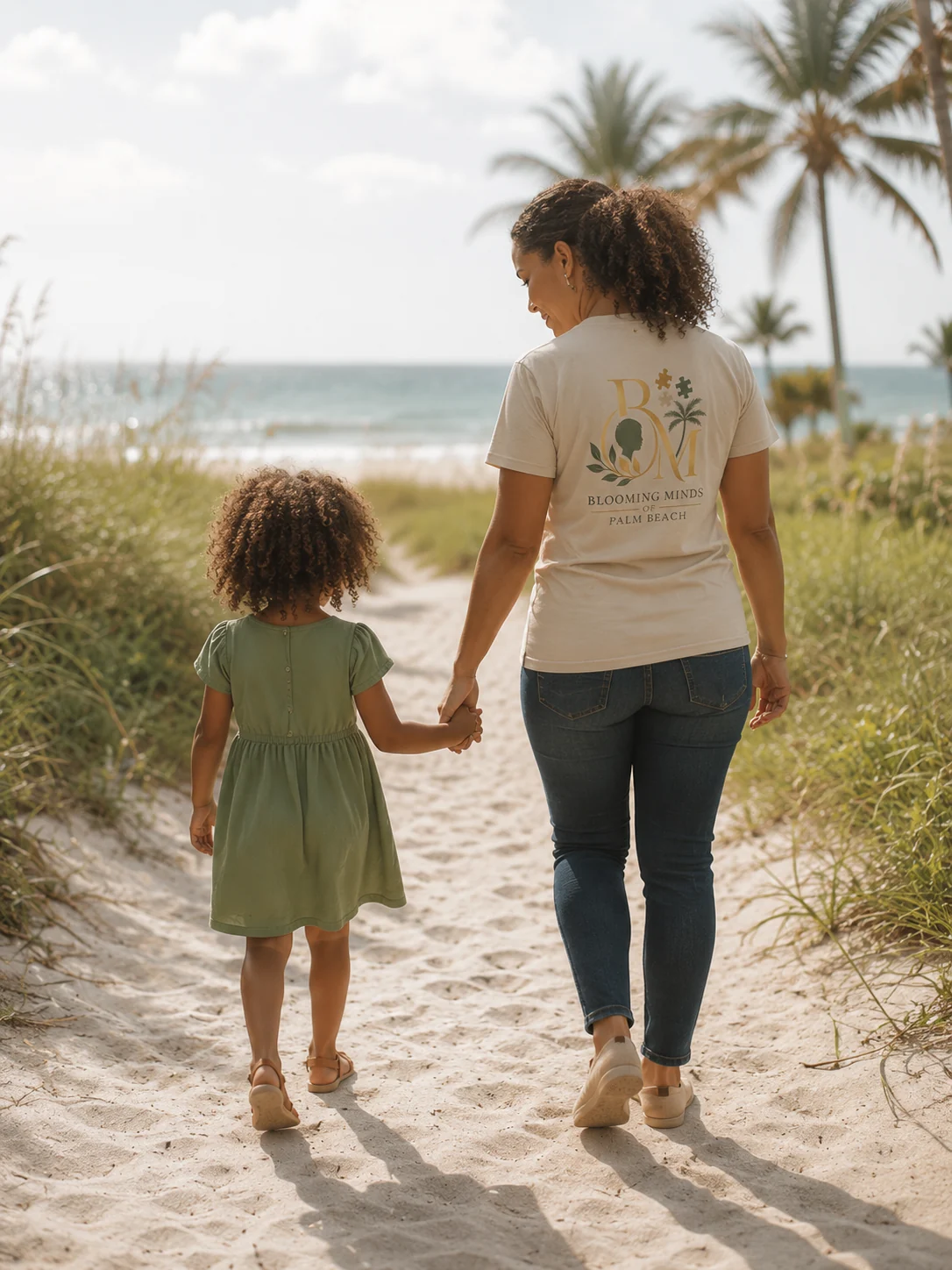
For eligible individuals under age 21 who live in the family home, respite provides supportive care and supervision when the primary caregiver is briefly unavailable or temporarily unable to provide care.
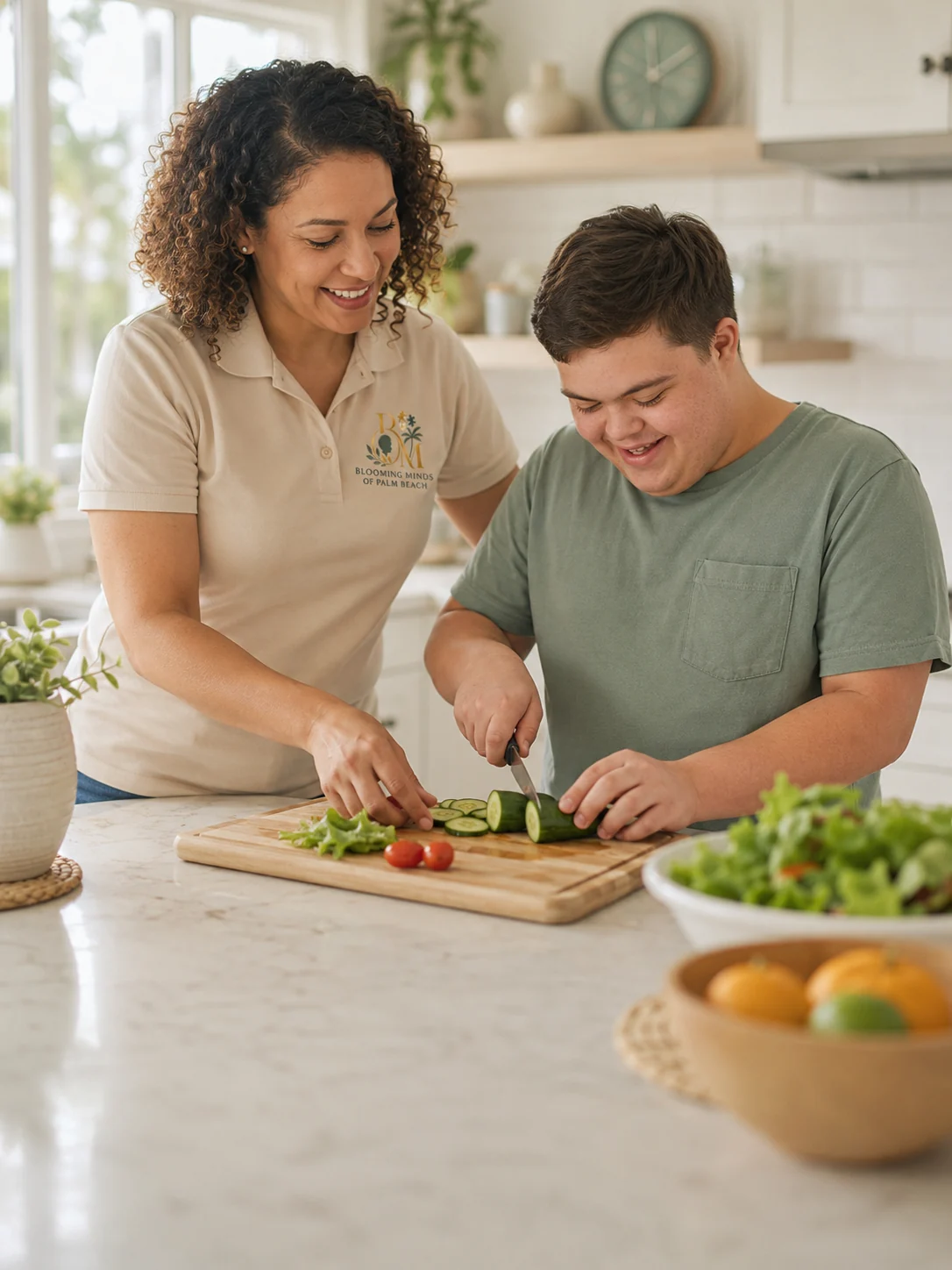
For adults age 21 and older, Life Skills Development Level 1, also called companion services, provides non-medical care, supervision, socialization, and community activities connected to goals in the person’s support plan.
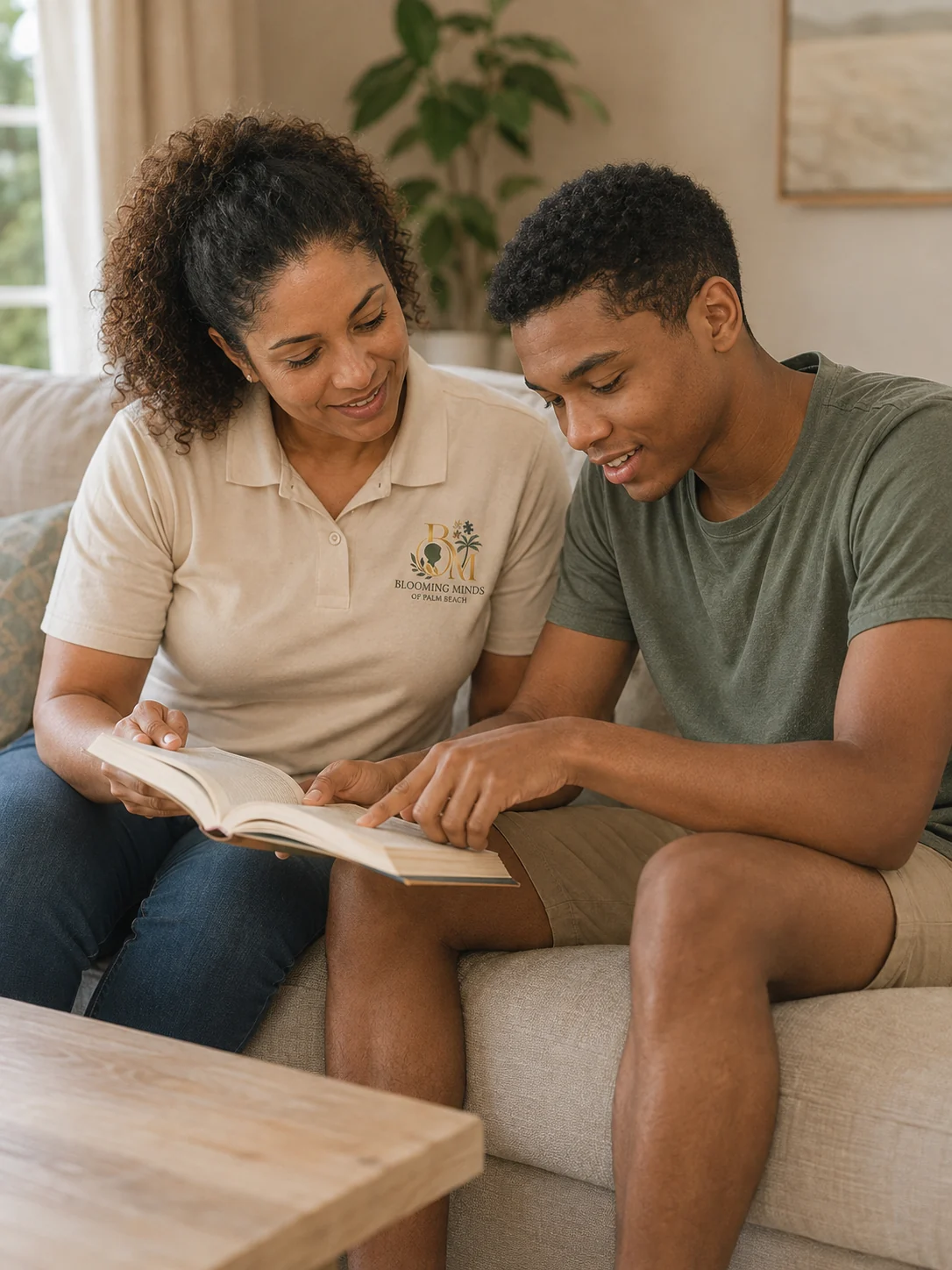
Personal Supports for adults can include assistance and training with activities of daily living, non-medical care, supervision, meal preparation, safer home routines, and access to community activities when authorized in the support plan.
Choose what sounds most important. We’ll suggest a starting conversation, not a coverage or eligibility decision.
Share only what you are comfortable sharing.
We’ll reach out using your preferred contact method during office hours, Monday through Friday, 8am to 4pm. Need us sooner? Call (954) 243-4620.
We believe every person deserves support that notices strengths, respects choices, and makes room for growth.
Blooming Minds of Palm Beach was created from my own journey as a mother of a child with autism. Like so many families, I learned that finding dependable, compassionate support isn’t always easy. I wanted more than just services. I wanted people who truly cared, communicated, and treated every individual with dignity.
As a U.S. Navy veteran, I carry the values of integrity, commitment, and service into everything we do. Those experiences, combined with raising my daughter, Sunni, inspired me to build an agency where families feel understood, caregivers feel valued, and every individual is given the opportunity to thrive.
At Blooming Minds, we believe every person deserves patience, respect, meaningful relationships, and the chance to reach their fullest potential. We aren’t just providing care. We’re building trust, confidence, and brighter futures together.
To provide compassionate, person-centered support that empowers individuals with developmental disabilities to live meaningful, independent lives while giving families the confidence and peace of mind they deserve.
To become the most trusted provider of compassionate support services by creating a community where every individual is valued, included, and given the opportunity to bloom with confidence, purpose, and dignity.
We promise to care for every individual as if they were a member of our own family. We will lead with compassion, communicate openly, celebrate every milestone, respect every person’s unique journey, and always provide support with integrity, patience, and heart.
We start with strengths, communication style, culture, routines, and personal goals.
Reliable scheduling, clear notes, and familiar team members help support feel safer.
We offer meaningful options and support self-advocacy whenever possible.
Learning works best when activities feel relevant, encouraging, and enjoyable.
Administrator / RN Supervisor
Alternate Administrator

Our caregivers are expected to communicate clearly, respect each person’s preferences, follow authorized plans, and create support that feels steady and encouraging.
Here is what families, guardians, and support coordinators can expect from first conversation through ongoing service.

We listen to routines, strengths, communication preferences, safety needs, and meaningful goals so support can feel familiar from the beginning.
Share goals, preferences, schedule needs, location, and service authorization status.
We review fit, clarify expectations, and learn what makes support successful.
We identify a team member whose skills, availability, and style align with the person.
We communicate, track progress, celebrate wins, and adjust routines when needed.
Yes. Blooming Minds is an enrolled iBudget provider with the Florida Agency for Persons with Disabilities. We provide Respite, Life Skills Development Level 1 (Companion), and Personal Supports when they’re authorized in the person’s support plan. Ask your Waiver Support Coordinator about choosing Blooming Minds, or call us at (954) 243-4620 and we’ll walk you through next steps.
We serve individuals and families in Palm Beach, Martin, St. Lucie, Indian River, and Okeechobee counties. Call our office at (954) 243-4620 to confirm availability in your area.
Yes. We match each person with a support professional based on communication style, interests, schedule, and experience. Families are welcome to meet the support professional before services begin. If a match isn’t the right fit, we’ll work with you to find a better one.
Let us know as early as you can. During office hours (Monday through Friday, 8am to 4pm), call or text our office at (954) 243-4620 or email us at bloomingminds.pb@gmail.com. Outside office hours, call or text our after-hours line at (305) 600-6292. We’ll do our best to adjust visits or arrange a backup support professional.
Blooming Minds is not an emergency response service. Call 911 for immediate danger or a medical emergency. For urgent, non-emergency concerns outside office hours, call our after-hours line at (305) 600-6292.
Join a team that values meaningful relationships, reliable care, and small moments that build big confidence.
Help people participate, practice skills, and experience more independence.
Build schedules around available assignments and service needs.
Clear expectations, open communication, and coaching that helps you grow.
Create consistent, respectful relationships with individuals and families.
Assist adults with approved daily-living routines, skill building, non-medical care, supervision, and community participation.
Support adults with socialization, community activities, confidence, and person-centered goals.
Provide attentive, engaging supervision and supportive care for eligible individuals under 21.
Share your interest and we’ll contact you about openings and next steps.
Blooming Minds of Palm Beach is an equal opportunity employer.
These official resources can help families and providers navigate services, enrollment, and support planning.
Florida law protects the right to dignity, privacy, and humane care, to be free from abuse, neglect, and exploitation, to religious freedom, to take part in community activities, and more. Read the full Bill of Rights from Florida APD.
Read the Bill of Rights (PDF) ↗ APDMain portal for services, local offices, provider search, rules, news, and customer resources.
Visit official site ↗ StartOfficial information about eligibility, regional applications, and where to begin.
View application guidance ↗ iBudgetState descriptions of waiver service families, including Life Skills, Personal Supports, and Respite.
Review service descriptions ↗ AHCAFlorida Medicaid overview of covered waiver services and eligibility basics.
Read AHCA overview ↗ SafetyOfficial prevention, recognition, and reporting information related to abuse, neglect, and exploitation.
Review safety resources ↗New to Blooming Minds or getting ready for an intake? Start here.
Welcome to Blooming Minds. We’re here to help.
We’re so glad you found us. Whether you’re just exploring services or getting ready to begin, our team will be with you every step of the way.
What you can expect from us:
Questions? Call our office at (954) 243-4620, Monday through Friday, 8am to 4pm, or email bloomingminds.pb@gmail.com. After hours, call or text (305) 600-6292.
Having a few things ready helps your intake go smoothly. Don’t worry if you don’t have everything. We’ll help with anything that’s missing.
Please don’t email Social Security numbers, Medicaid ID numbers, or medical records. We’ll go over what’s needed by phone.
Questions from individuals, families, guardians, and waiver support coordinators are welcome.
Intake, scheduling, and general questions.
Urgent, non-emergency concerns outside office hours. Call 911 in an emergency.
Palm Beach, Martin, St. Lucie, Indian River, and Okeechobee.
Please don’t include private health or Medicaid information.
Monday through Friday
We welcome questions about routines, service fit, schedules, communication preferences, and the next steps for beginning support.
Not an emergency service. Call 911 for immediate danger or a medical emergency. For urgent, non-emergency concerns outside office hours, call our after-hours line at (305) 600-6292.